


PWR-01 · Power continuity
Power continuity for the systems that must stay on
Security systems fail where power fails. We design the power behind the systems we install: UPS, central battery, generator interfaces and solar PV where it makes sense.
Start with the load and the autonomy
We list what must keep running during an outage and for how long: recorders and core switches, access controllers and locks, the control room, intercom. Autonomy is set by how long the generator takes to start and stabilise, or how long the site can be without mains if there is no generator.
Each part of the power chain has its own page with the detail:
Solar PV
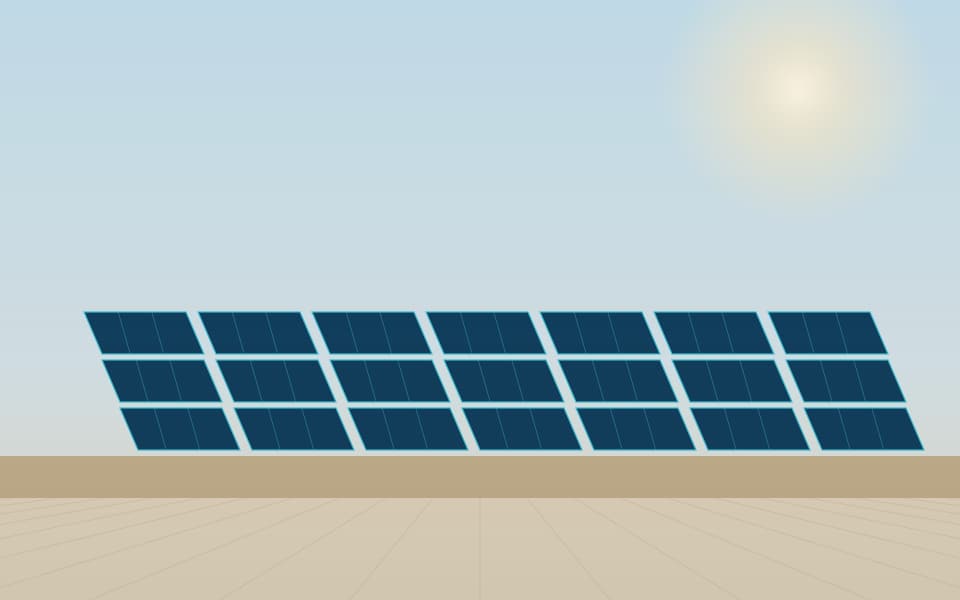
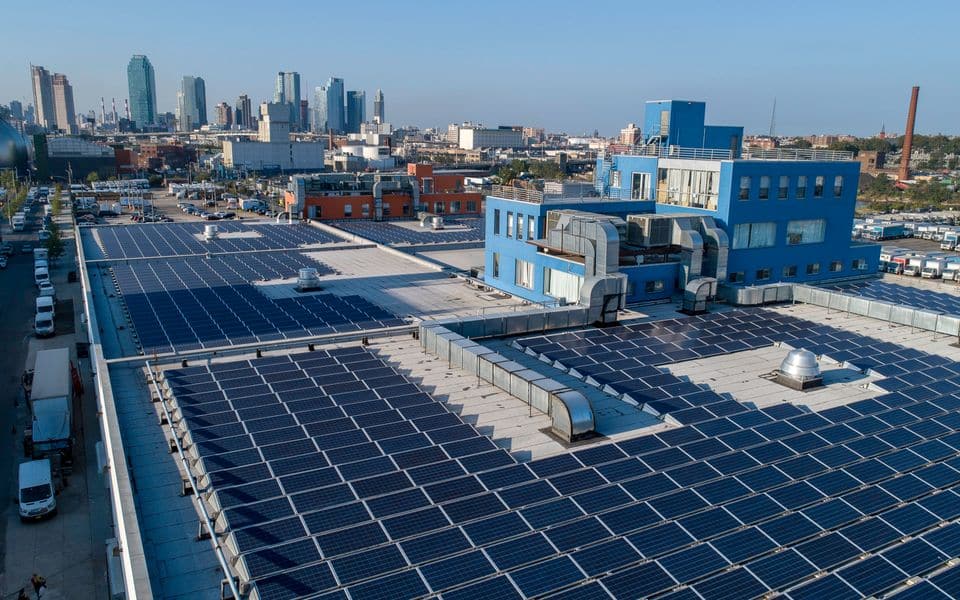
On-grid, hybrid and off-grid PV for buildings and remote points.
Read more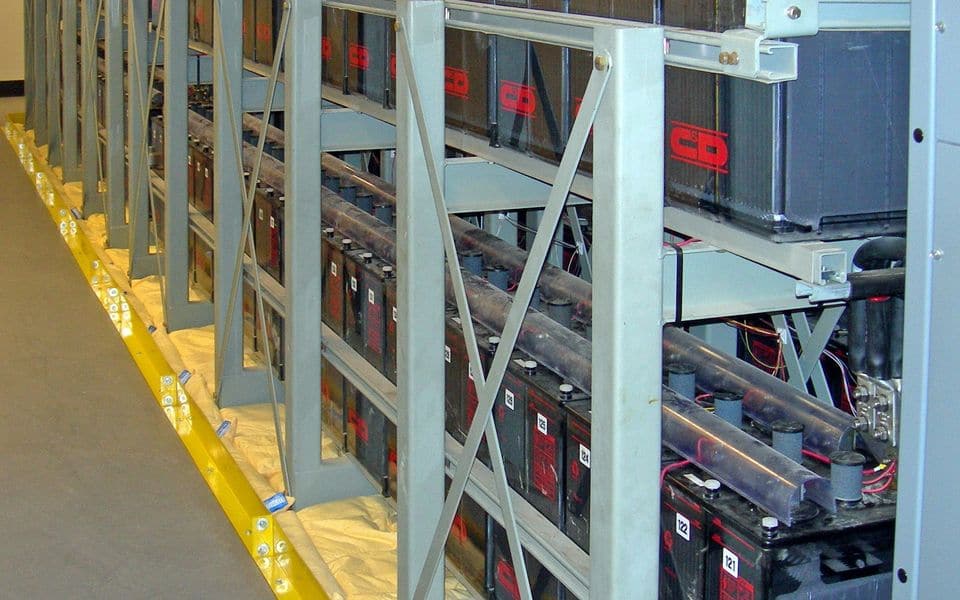
UPS systems
Online UPS sized by load and autonomy, with batteries that last.
Read more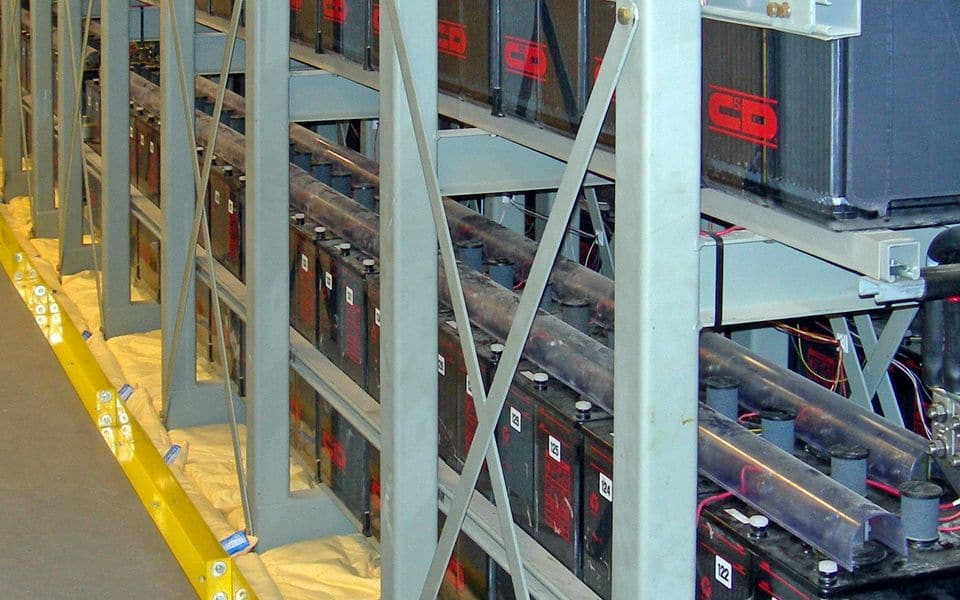
Central battery systems
Monitored power for emergency lighting to EN 50171.
Read more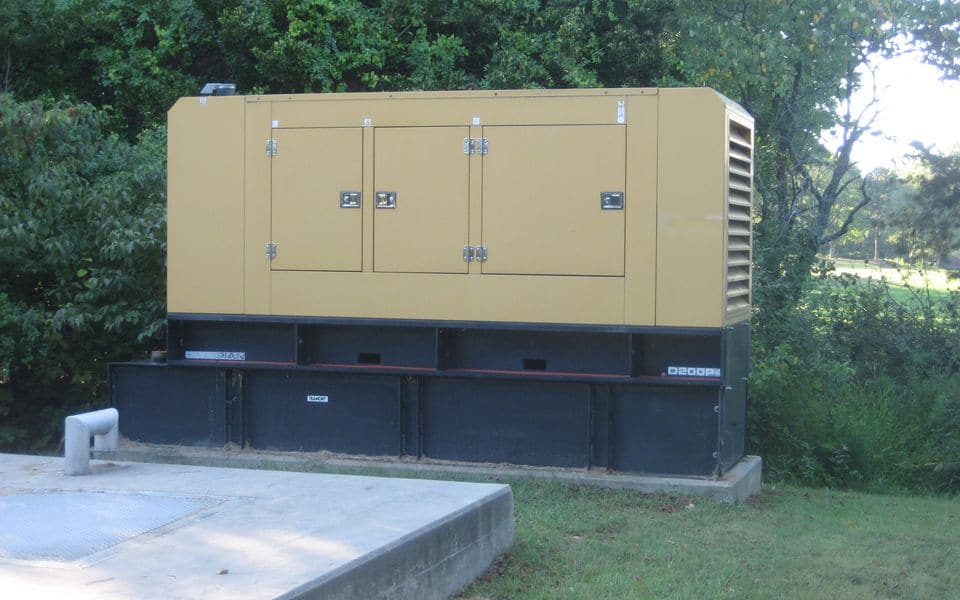
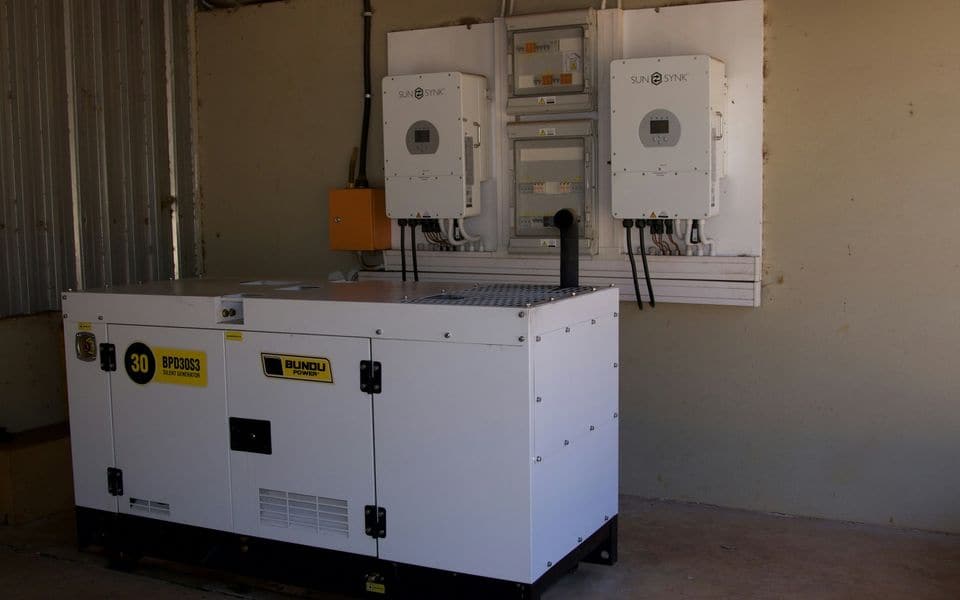
Generator interfaces
ATS, transfer and the loads behind a standby generator.
Read moreOnline double-conversion UPS units protect sensitive equipment from the poor power quality that is common at the end of long feeders. Battery life depends heavily on temperature: VRLA batteries are rated at 25 °C and their life falls sharply above that, roughly halving for every 8–10 °C of sustained increase. An UPS in an unventilated cupboard through a Saudi summer will need new batteries far earlier than its datasheet suggests. Room ventilation or air-conditioning is part of the design.
Central battery systems and generators

Central battery systems (CBS) supply emergency lighting from one monitored battery source, designed to EN 50171 where specified, with automatic testing and logs. For generators we design the interface: automatic transfer switch (ATS) signals, load priority, and the test regime that proves the system starts under load.
Solar PV
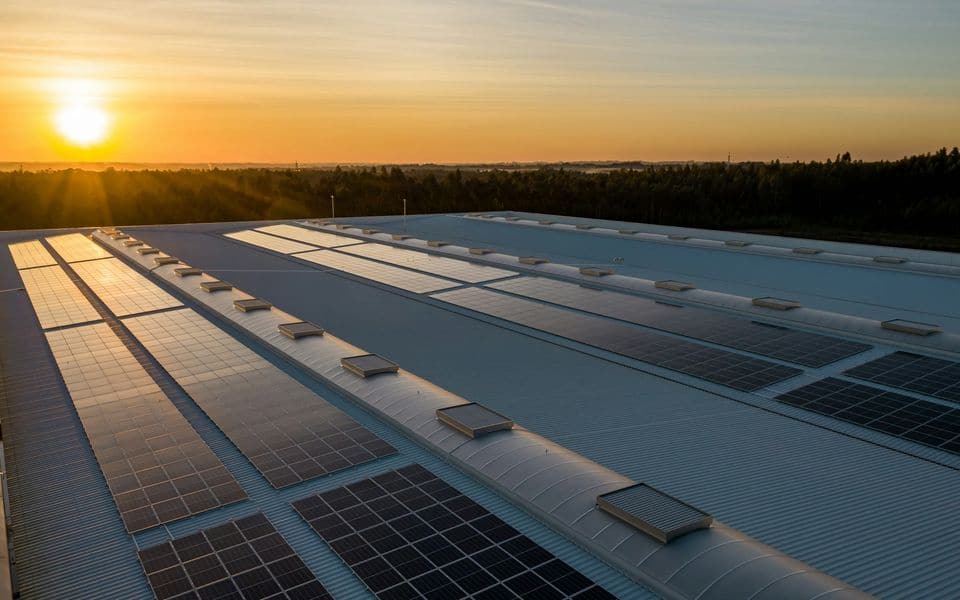
We engineer, install and programme solar PV installations as a dedicated practice within our power continuity division. Every design starts from the site's load profile and available roof or ground area, sizing strings to the inverter's MPPT voltage window with cell-temperature derating. In Saudi Arabia, high module temperatures and dust accumulation directly impact output, so thermal coefficients and cleaning schedules are built into our yield calculations.
- On-grid systems reduce bills and need approval from the utility before connection. We prepare the technical package for that application.
- Hybrid systems add batteries to carry critical loads through outages.
- Off-grid systems power remote sites such as perimeter cameras, gatehouses and telecom points, where a cable run would cost more than the panels.
How the power chain works end to end
Power reaches a security or low-current system through a chain, and the chain fails at its weakest link. Utility mains come in through the main switchboard. If the site has a standby generator, an automatic transfer switch (ATS) senses a mains failure, starts the generator and moves the loads across, which usually takes tens of seconds. Behind the switchboard, a UPS carries the sensitive equipment through the gap, and cleans the supply while mains is present. Emergency lighting has its own source, either local batteries or a central battery system. Solar PV can sit beside all of this, reducing grid use or charging batteries.
Low-current systems add one more layer: their own small power supplies, such as lock supplies, camera power over Ethernet and alarm panel batteries. A design that looks only at the UPS misses these, and they are where many outages begin.
Choosing the right source for each need
| Source | What it is best at | Typical time to carry load | Watch out for |
|---|---|---|---|
| UPS | Break-free power for recorders, switches, servers and control rooms | Minutes up to a few hours, depending on battery | Battery ageing, heat, and the room it sits in |
| Generator with ATS | Long outages and larger loads, including air-conditioning | Starts and takes load in tens of seconds | Needs a UPS in front of sensitive loads to cover the gap |
| Central battery system | Monitored emergency lighting for a whole building | One to three hours, set by the authority's rules | Tested and logged under EN 50171 where specified |
| Solar PV with hybrid inverter and batteries | Daytime savings and partial backup for chosen loads | Hours, limited by battery size | Transfer is not always instant; not a substitute for a UPS |
| Off-grid solar unit | Remote cameras, gatehouses, telecom points | Continuous, with days of battery autonomy | Sized from the load, sun and dust, not guessed |
What sits on which supply
Not every load deserves the same protection, and putting everything on a UPS shortens the runtime of what matters.
| System | Supply we plan for it | Why |
|---|---|---|
| Recorders, core and PoE switches | UPS, then generator | A reboot can lose recordings and takes cameras offline |
| Access controllers and lock supplies | UPS or battery-backed supply | Doors must behave as designed in an outage; see fail-safe and fail-secure locks |
| Intercom servers and master stations | UPS | Staff must still hear and answer entrance calls |
| Intrusion panels | Built-in battery, with a monitored charger | The panel must keep reporting during a mains cut |
| PA racks, nurse call and queue servers | UPS | A restart can silence announcements or lose call history |
| Emergency lighting | Central or local battery | Needed for safe movement, independent of the other supplies |
| Air-conditioning for the UPS room | Generator, and on a stable setpoint | Heat is what ages batteries and shuts down racks |
Planning figures
Starting values for the design stage. Final figures come from measured loads and the authority's rules.
- UPS loading: keep steady load at about 70 to 80 % of the UPS kW rating, leaving room for growth and inrush.
- Autonomy with a generator: enough to cover start, transfer and stabilisation, plus margin for one failed start. Ten to thirty minutes is a common planning range for IT and security loads.
- Autonomy without a generator: set by how long the site must keep operating. Hours, not minutes, so the battery becomes the largest cost.
- Battery ageing margin: add 20 to 25 % to the battery so the autonomy still holds near end of life.
- Battery room temperature: aim for 25 °C. Every 8 to 10 °C above that roughly halves the life of VRLA batteries.
- PoE power: add up the power actually drawn by the cameras, not the switch's maximum budget.
- Growth: leave 20 to 30 % spare capacity in the UPS and distribution, since loads only grow.
- Solar sizing: from load profile, area, temperature and dust losses; see how to size a solar power system.
Integration with the other systems
- Video surveillance: recorders and PoE switches on UPS, with remote cameras on solar units, see video surveillance and mobile solar surveillance.
- Access control and intercom: lock supplies and master stations sized for outage behaviour, see access control and intercom.
- Intrusion and perimeter: panels and field devices with battery backup, see intrusion and perimeter detection.
- Fire alarm interface: doors and systems that must respond to the fire alarm are connected through a designed release interface, coordinated with the fire-protection contractor.
- Monitoring: UPS, battery and generator alarms are sent to the building management system or to staff by email, so a problem is seen before the next outage.
- Network: core switches on UPS, planned with Wi-Fi and network.
Commissioning and handover checklist
- A critical load list with measured values, signed off before ordering.
- A simulated mains failure with the real loads connected, with the timing recorded.
- ATS and generator signals proven, including a failed-start scenario.
- A battery discharge test recording the real autonomy.
- Bypass operation shown and labelled, including how to isolate the UPS safely.
- Alarms received at the monitoring point or by the named staff.
- Single-line diagram, panel schedules and labelling updated to as-built.
- Handover includes battery dates and warranty details, the test schedule and training for the facility team.
Common mistakes and how to avoid them
- Sizing from nameplates: the real load is far lower, and the UPS ends up oversized and inefficient. Measure where we can.
- Forgetting the small supplies: lock supplies, cameras and panels with no backup fail first. Include them in the load list.
- Hot battery rooms: batteries wear out in half the time. Give the room its own cooling.
- No bypass: maintenance then requires shutting systems down. Specify a maintenance bypass from the start.
- Generator without a UPS: the gap during start-up resets recorders and switches. Cover the gap with a UPS.
- No alarm path: a UPS running on battery with nobody informed is a countdown nobody sees. Connect alarms to people.
Maintenance and testing
Power systems are only trusted if they are tested. Under a maintenance contract, an example schedule is: monthly review of alarms and coordination of generator test runs; quarterly UPS visual checks, fan and filter checks and battery impedance trending; and an annual discharge test of the batteries under a known load. Central battery systems keep their own automatic test logs, which we review. Battery replacement is planned from the trend data and the room temperature, not on a fixed date. Each test is recorded, so you can see the condition of the system over time.
We provide design, installation and commissioning services. Panels, inverters and batteries are procured by you or your contractor against our specification.
Our part, start to finish
What we do on a power continuity project
We select the equipment to fit your site, not to clear a stock list. We design the system, install and commission it, and keep it working.
Design & consulting
- Critical load list and autonomy targets
- UPS, battery and CBS sizing
- Solar yield estimate with temperature and soiling losses
- Generator and ATS interface design
Installation
- UPS and battery installation
- PV mounting, stringing and inverter programming
- Load transfer tests
- Commissioning records
Maintenance
- Battery capacity and impedance tests
- UPS and inverter health checks
- PV cleaning and performance checks
- Generator-run coordination
Before you buy
Questions to settle first
These decide cost and performance more than the brand on the box. We work through them with you at survey stage.
- Which systems must stay on, and for how long?
- Is there a generator, and how long does it take to take load?
- Where will batteries sit, and how hot does that room get?
- Is the goal bill reduction, backup, or power for a remote point?
- Who will clean PV panels, and how often?
- Does the site already have power quality problems?
Frequently asked questions
Do we need both a UPS and a generator?
For critical systems, usually yes. The generator covers long outages, but it takes tens of seconds to start. The UPS carries the load through that gap, and the batteries are smaller because they only bridge it.
How long should a UPS battery run?
That depends on what happens next. With a generator, it only needs to bridge start-up and a margin for failure. With no generator, it must last as long as the site has to keep operating, which can be hours.
Can solar panels replace the UPS?
No. Solar reduces energy use and can charge batteries, but a UPS gives the instant, break-free transfer that recorders and switches need. We often combine the two.
How often do batteries need replacing?
VRLA batteries commonly last a few years, and less in a hot room. Lithium batteries last longer. We plan replacement from test results and temperature records, so you can budget it in advance.
Can we reuse the existing UPS?
Often, after a load check and a battery test. If the UPS is sound but the batteries are weak, replacing the batteries may be enough. We tell you which, with the evidence.
What should the facility team do during an outage?
Know which systems are on which supply, watch the UPS time remaining and the generator state, and avoid adding new loads. We hand over a one-page summary so the team does not have to guess.
Works alongside
Related systems
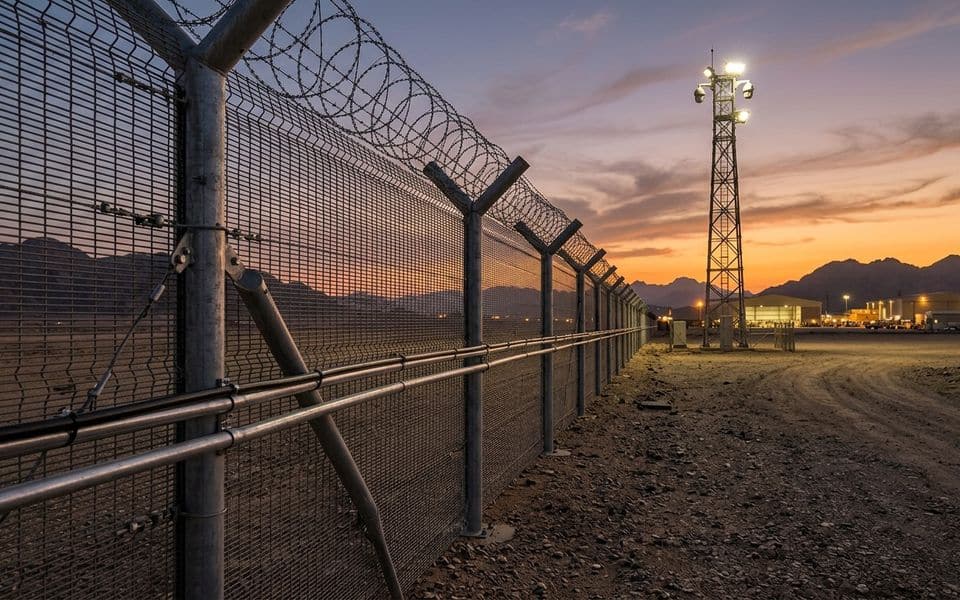
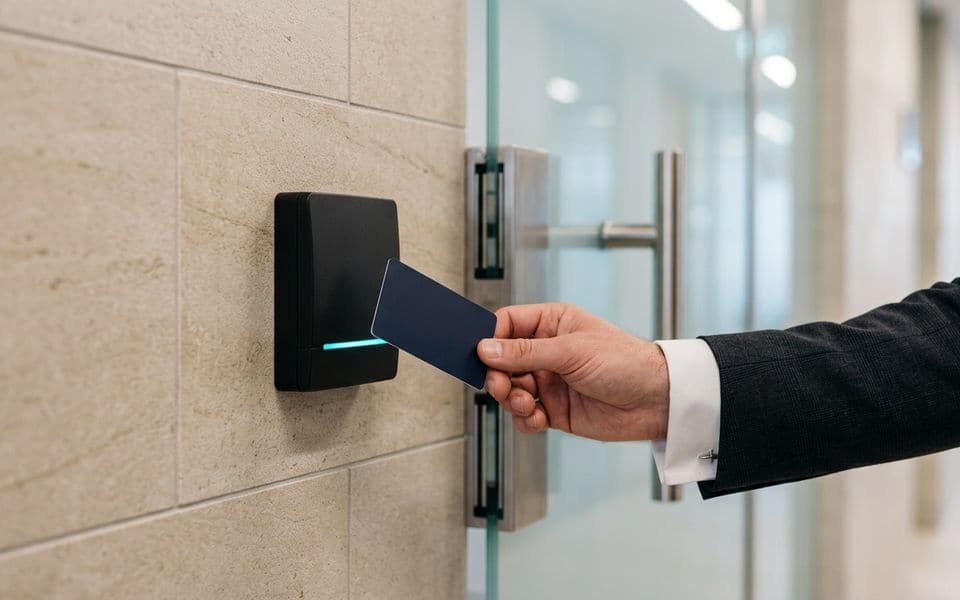
Gallery
Power continuity in context
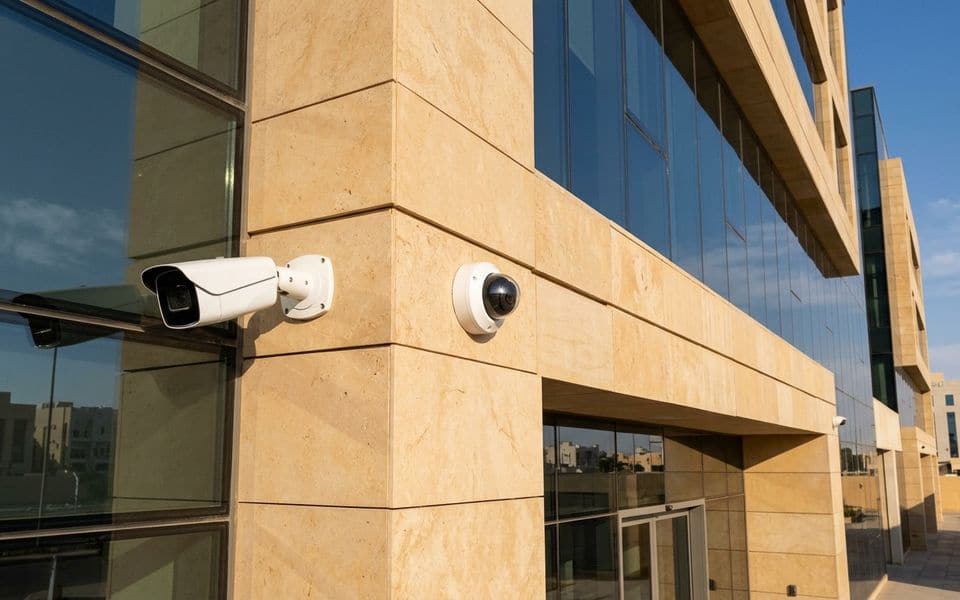
Illustrations and computer-generated renderings show typical arrangements, not our projects; photographs are credited on the credits page. Select an image to enlarge it.
Manufacturers
Brands commonly specified in Saudi projects
- APC by Schneider Electric
- Eaton
- Vertiv
- Socomec
- Delta
- Legrand
Names belong to their owners. Listing a brand shows the systems we design around; it does not mean a partnership or a dealership.