

Services
Design, build, run
Three services that can be bought together or separately. Each has its own deliverables, its own team lead, and its own way of proving the work was done.

How the three services connect
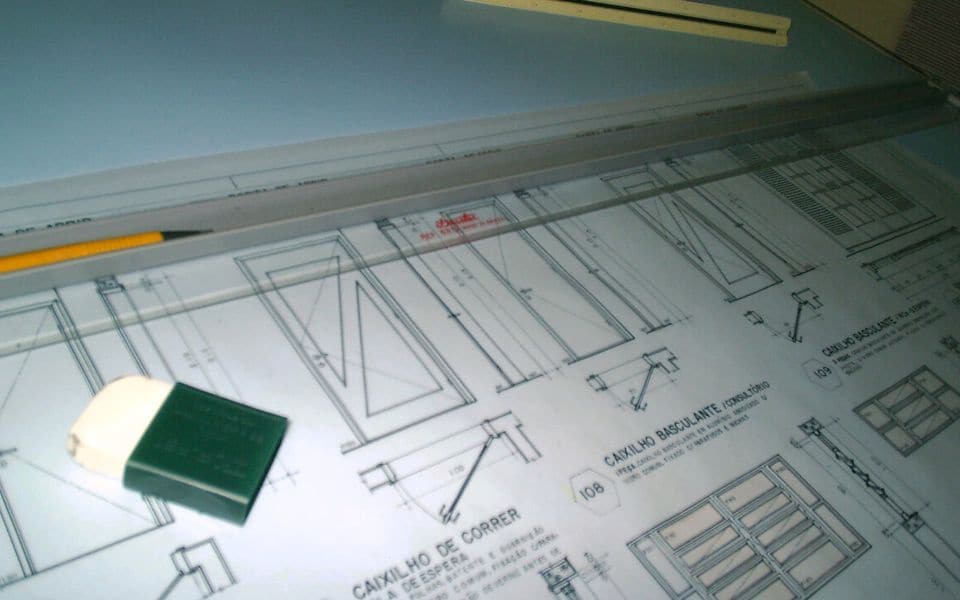
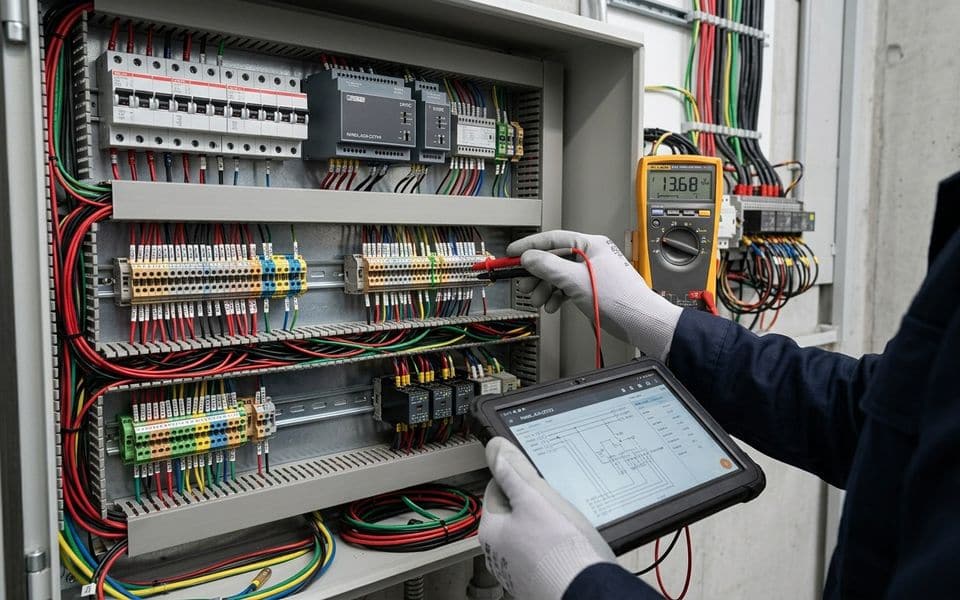
Design, installation and maintenance are one chain, and each link hands something specific to the next. The design produces drawings, a specification and a bill of quantities. Installation builds from them and produces the as-built drawings, test records and asset register. Maintenance starts from that asset register, so nobody has to rediscover what is on site. When the same team carries the work through, nothing is lost in translation; when different parties do, the documents are written so that the handover still works.
You can buy one service or all three. Common starting points:
| Your situation | Start with |
|---|---|
| A new building or fit-out and no design yet | Design and consulting, then installation |
| A design from your consultant, and a contractor needed | Installation and commissioning, built to that design |
| Contractor bids to compare or submittals to review | Design and consulting, for an independent review |
| An existing system that nobody looks after | Maintenance, beginning with an audit |
| A system that has grown or aged and needs upgrading | A survey and assessment, then a phased plan |
Whichever service you choose, the working rules are the same: a written scope with inclusions and exclusions, assumptions recorded, a named lead for each service, test and visit records you can keep, and documents in formats your consultant, contractor and operations team can use.
We also look past the first installation. Choices made at design, such as spare cable cores, space in cabinets, open standards and clear labelling, decide how easy and how costly later upgrades and maintenance will be. That is why the three services are described together here.
Process
How a project runs
The same five stages apply whether the job is one villa gate or a multi-building campus. Only the depth of each stage changes.
Survey
Site walk, existing systems, power, cable routes, lighting and environmental conditions recorded with photos.
Design
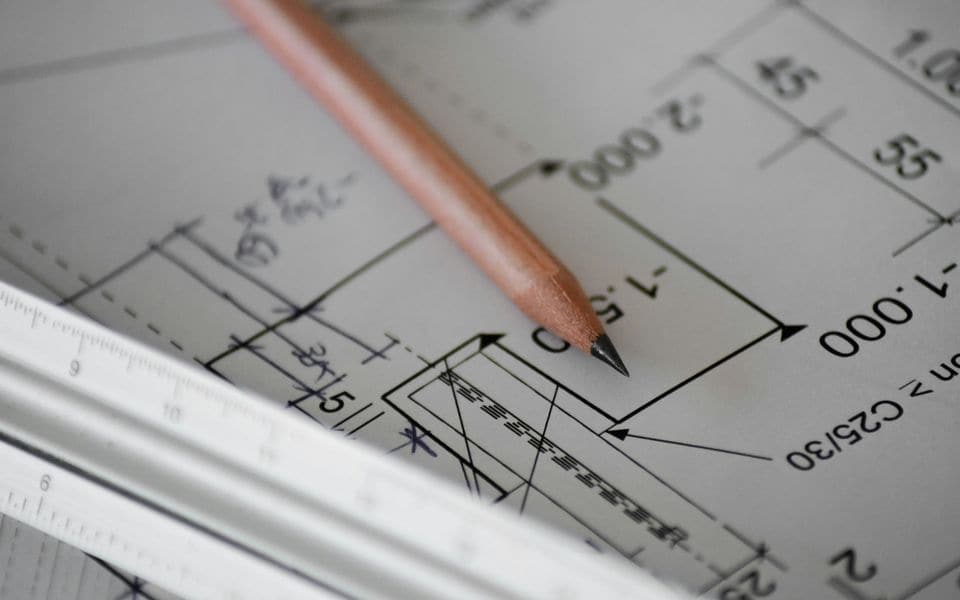
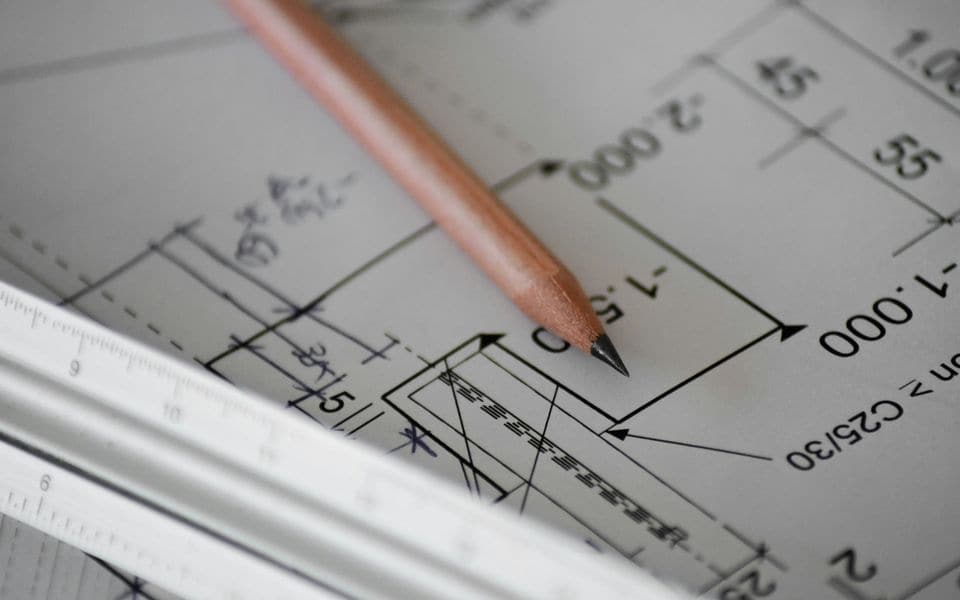
Drawings, calculations, specification and BOQ. Every assumption is written down.
Approve
Design review with you. Fixed scope, inclusions and exclusions agreed before work.
Install & commission
Second fix, third fix, programming, integration, and testing against the agreed design.
Handover & maintain
As-built drawings, configuration backups, test records, training, then planned maintenance.
What you receive
- From design: a survey report, drawings, calculations, a specification and a BOQ, or an assessment with risk-rated findings and a phased roadmap.
- From installation: a working system tested against the design, as-built drawings, an asset register, configuration backups, test records and trained operators.
- From maintenance: a scheduled programme per system, a fault log with response times, visit reports, replacement recommendations and current backups.
How to start
- Tell us what you have: a scope, drawings, photos or only a question. A short description is enough.
- We ask the questions that decide the design: use, users, constraints, existing systems and programme.
- Site survey: where a visit is useful, we agree a date and what to prepare.
- Written proposal: scope, inclusions and exclusions, deliverables and a programme.
Contact us through the contact page and say which service, which systems and which city the project is in.
Systems we work on
The three services apply to every system on this site, among them video surveillance, access control and time attendance, intrusion and perimeter detection, intercom and door entry, Wi-Fi and wireless links and power continuity. Home projects are covered in villa low-current systems, and the full list is on the solutions page. Our insights explain the engineering behind these choices.
Where we work
We work across Saudi Arabia, including Riyadh, Jeddah, Dammam and Khobar, Makkah, Madinah and the other regions. See locations and sectors for how this applies to different projects.
How we choose equipment
Equipment choice follows the site. We choose from the survey and the specification: required performance, environment, open standards, support and cost over the whole life of the system, and we explain the reasoning in writing.
In practice this means:
- Specifications are written around performance requirements, with more than one acceptable manufacturer where possible.
- Equipment is procured the way the project scope states, by you, your main contractor or through the manufacturer's local channel, always against the written specification.
- When a contractor proposes an alternative, we review it against the specification on its technical merits.
- We tell you when an existing system can be kept or extended instead of replaced.
Working with main contractors
On larger projects we often work as the specialist subcontractor for low-current systems. We take responsibility for our scope, our submittals, our coordination drawings and our testing, and we supply the documentation the consultant needs to sign off.